What Legal Risks Do FSBO Sellers Face in Illinois?
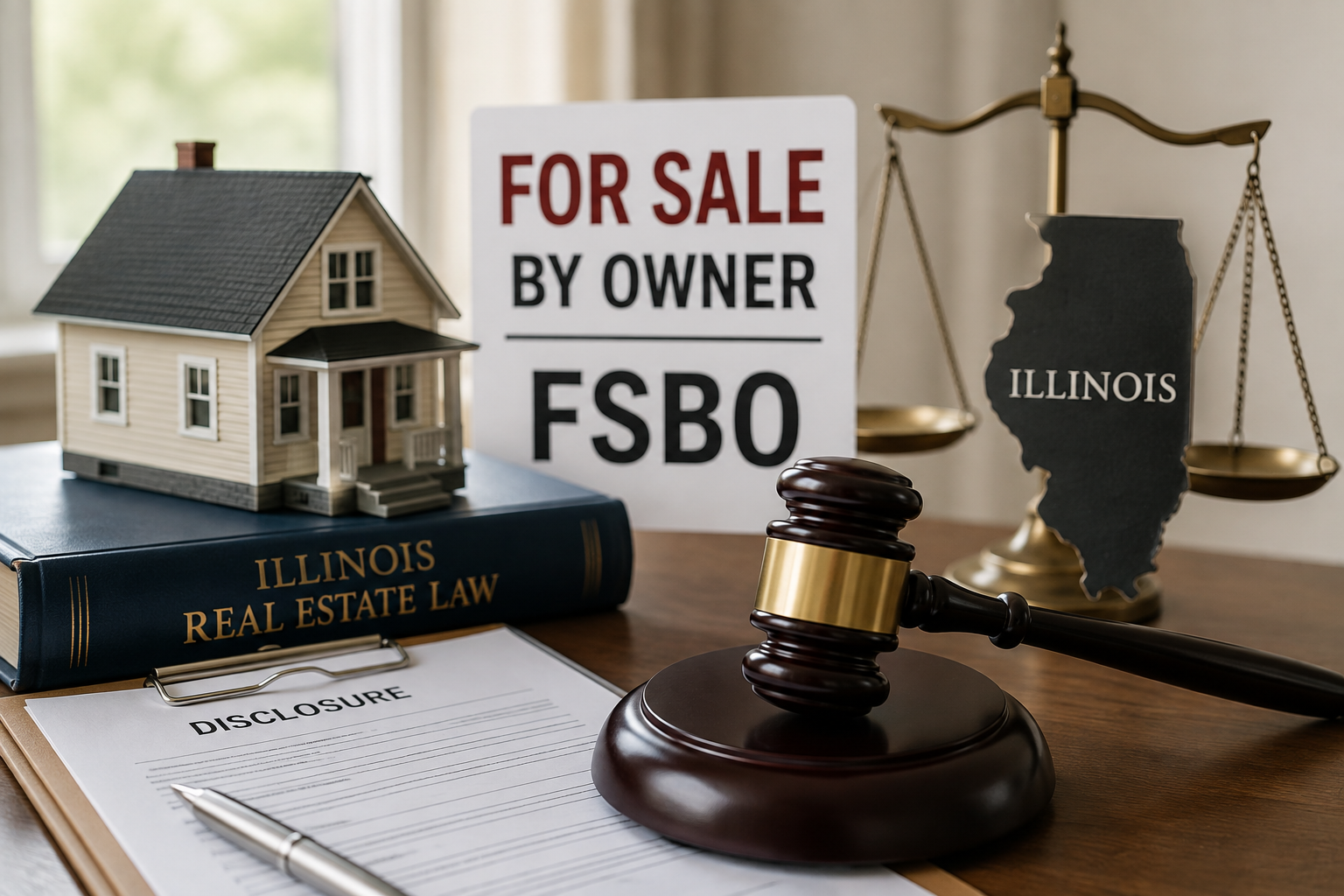
What Legal Risks Do FSBO Sellers Face in Illinois?
Selling your home as a For Sale By Owner (FSBO) can save money and give you complete control over the selling process. However, it also means you're responsible for complying with Illinois disclosure laws and other legal requirements.
The biggest legal risk for an Illinois FSBO seller is disclosure liability—the legal responsibility to accurately tell a buyer about known material defects in the property. This obligation applies to nearly every residential seller in the state, regardless of whether a real estate agent or broker is involved.
The Illinois Residential Real Property Disclosure Act
Under the Illinois Residential Real Property Disclosure Act (765 ILCS 77), sellers must complete and provide buyers with a Residential Real Property Disclosure Report. This form covers 23 separate line items about the property's condition during the time the seller owned it.
The disclosure requirement applies to:
Single-family homes
Multi-family properties with up to four units
Condominiums
Townhomes
Sellers must disclose known material defects even if the home is being sold as a teardown, unless it is legally uninhabitable at the time of sale.
If you discover a defect—or realize a disclosure was incomplete or inaccurate—after the report has already been delivered, Illinois law requires you to provide the buyer with a supplemental disclosure.
Inaccurate or omitted disclosures can also create exposure under the Illinois Consumer Fraud and Deceptive Business Practices Act, separate from the disclosure law itself.
Radon and Lead Paint Disclosure Requirements
Illinois and federal law also require additional disclosures in certain situations.
The Illinois Radon Awareness Act requires sellers to provide buyers with two specific pamphlets about radon hazards before the sales contract is signed.
Separately, federal law requires disclosure of any known lead-based paint hazards for homes built before 1978.
Neither law requires you to test for or remediate these hazards. Instead, the legal requirement is to disclose what you know.
How a Licensed Broker Reduces This Risk
This is exactly where a flat fee brokerage's role matters most.
SaveEstate's Core Listing Package includes disclosure packet guidance and a managing broker review before your listing goes live. This helps make sure the required Illinois forms are actually in place while allowing you to maintain control of your asking price, showings, negotiations, and other key aspects of your home sale.
Final Thoughts
Selling FSBO in Illinois comes with legal responsibilities that every homeowner should understand before listing a property.
Disclosure requirements apply whether you're working with a traditional real estate agent or selling on your own. Understanding the Illinois Residential Real Property Disclosure Act, complying with radon and lead paint disclosure requirements, and providing supplemental disclosures when necessary can help reduce your legal risk.
A flat fee MLS brokerage doesn't take over your sale, but it can help ensure the required disclosure documents are in place before your listing reaches the market, allowing you to maintain the control that makes FSBO appealing while supporting compliance with Illinois requirements.
Ready to get started? Contact SaveEstate or submit your request online at saveestate.com.
